How the CDL SAP Program Works / Return-to-Duty
A drug or alcohol violation—whether it’s a failed random screen at work or a DUI in your personal vehicle—can feel like the end of your career. But at Carolina MedWorks, I want you to know that the FMCSA provides a specific path back to the driver’s seat. It’s called the SAP (Substance Abuse Professional) program.
I often have drivers walk into my Charlotte office feeling overwhelmed by the “Return-to-Duty” process. My goal is to demystify it so you can focus on the steps needed to get back to work.
What Exactly is the SAP Program?
The SAP program is a federally mandated return-to-duty process. If you have a DOT violation (a failed test, refusal, or drug/alcohol conviction), you are legally prohibited from driving a CMV until you complete it.
Please note that I do not conduct the SAP evaluation process itself.
Once an independent Substance Abuse Professional clears you, I handle the final steps: verifying your SAP completion, performing your DOT physical exam, issuing your DOT medical card, and administering your required return-to-duty drug test.
The 6 Steps to Getting Your CDL Back
The process is structured and cannot be rushed, but it is a clear roadmap. Here is how I explain the “Return-to-Duty” (RTD) sequence to my patients:
1. The Initial Evaluation
You must find a DOT-qualified Substance Abuse Professional. They will conduct a face-to-face (or sometimes virtual) clinical assessment to understand your history and the circumstances of the violation.
Local SAP Programs:
2. The Recommendation
The SAP will prescribe a specific plan. This isn’t one-size-fits-all. It could be as simple as an 8-12 hour education course for a first-time minor incident, or it could involve intensive outpatient treatment if there are signs of a deeper issue.
3. Completion of Treatment/Education
You must follow the SAP’s plan to the letter. Whether it’s classes here in Charlotte or a structured counseling program, you cannot skip any sessions if you want to be cleared.
4. The Follow-Up Evaluation
Once you finish the program, you meet with the SAP again. They will determine if you’ve successfully complied with their recommendations. If they’re satisfied, they will issue a report of compliance.
5. The Return-to-Duty (RTD) Test
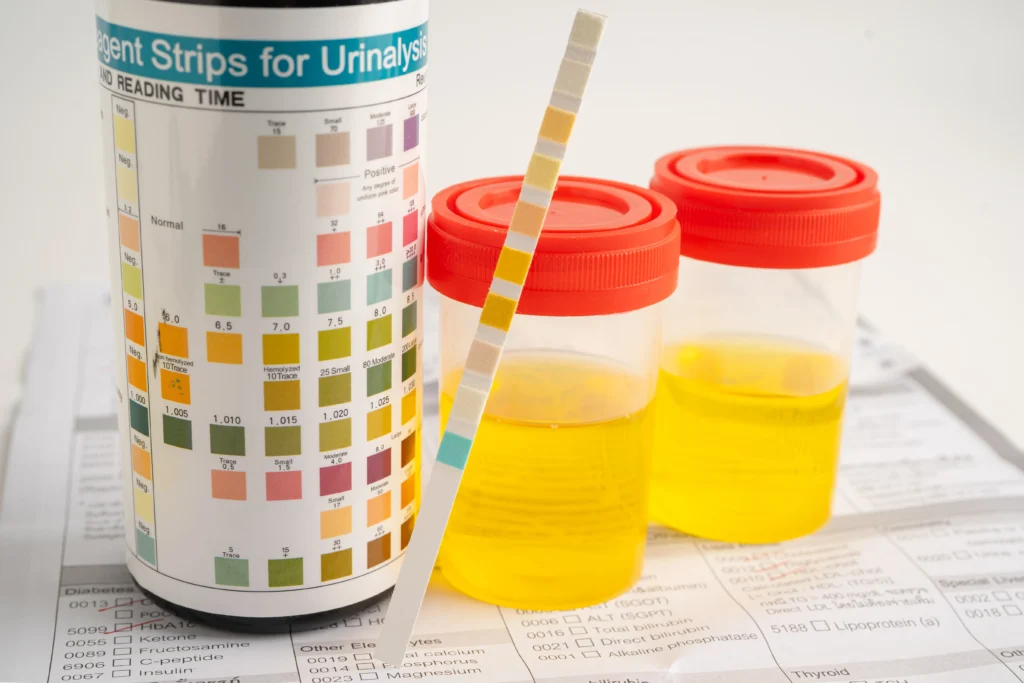
After your SAP gives the green light, your employer orders the Return-to-Duty evaluation. I will administer your DOT physical exam alongside the mandatory directly observed urine drug test. A negative test result combined with a passed physical allows me to grant your medical clearance and issue your new DOT medical card.
6. Follow-Up Testing Plan
Even after you’re back on the road, the SAP will set a schedule for unannounced “follow-up” tests. Federal law requires at least 6 tests in the first 12 months, though this plan can last up to five years.
Why the FMCSA Clearinghouse Matters in 2026
In 2026, the FMCSA Clearinghouse is more integrated than ever. Every step of your SAP journey—from the initial violation to your final follow-up test—is tracked digitally. If you try to switch jobs to “hide” a violation, the new employer will see your “Prohibited” status immediately.
At Carolina MedWorks, I help you ensure your medical certificate aligns with your Clearinghouse status so there are no surprises when you head to the DMV or apply for a new seat.
FAQs
-
Do you perform the SAP program at your office?
No, I do not conduct the SAP evaluation process.
The SAP program must be completed through an independent, certified Substance Abuse Professional. Once your SAP clears you and your employer requests Return-to-Duty testing, I step in to complete your DOT physical exam, perform your observed drug test, and issue your DOT medical card.
-
How long does the SAP program take?
It depends on the recommendation. If you only need education, you could be eligible for your RTD test in 2–3 weeks. If treatment is required, it can take 30–90 days or more.
-
Who pays for the SAP program?
Usually, the driver pays for the SAP evaluations and the required classes. Costs for the SAP itself in the Charlotte area typically range from $400 to $600, plus the cost of treatment.
-
Can I still get my DOT physical during this?
You can, but I cannot issue a "Clear" medical card if your Clearinghouse status is "Prohibited." I recommend starting the SAP process first, then coming to see me at Carolina MedWorks once you have your compliance report in hand.