How to Lower Your Blood Pressure Before a DOT Physical
If you’re a commercial driver in Charlotte or the surrounding area, you already know that a DOT physical can feel stressful—especially when it comes to blood pressure. As a DOT medical examiner at Carolina MedWorks, I see this all the time. Drivers come in feeling fine, only to find out their blood pressure is higher than expected, which can delay or limit their certification.
The good news is this: in many cases, high blood pressure before a DOT physical is preventable, and there are practical steps you can take before your exam to improve your numbers and protect your certification.
Why Blood Pressure Matters for DOT Physicals
The Department of Transportation has strict blood pressure guidelines because uncontrolled hypertension increases the risk of heart attack, stroke, and sudden incapacitation behind the wheel. Here’s how certification typically works:
140/90 or lower – Eligible for a 2-year certification
140–159 / 90–99 – Usually a 1-year certification
160–179 / 100–109 – Temporary 3-month certificate
180/110 or higher – Disqualification until controlled
In a busy metro like Charlotte—where long driving hours, traffic congestion, tight schedules, and poor sleep are common—it’s no surprise that blood pressure becomes an issue for many drivers.
Start With At-Home Blood Pressure Monitoring
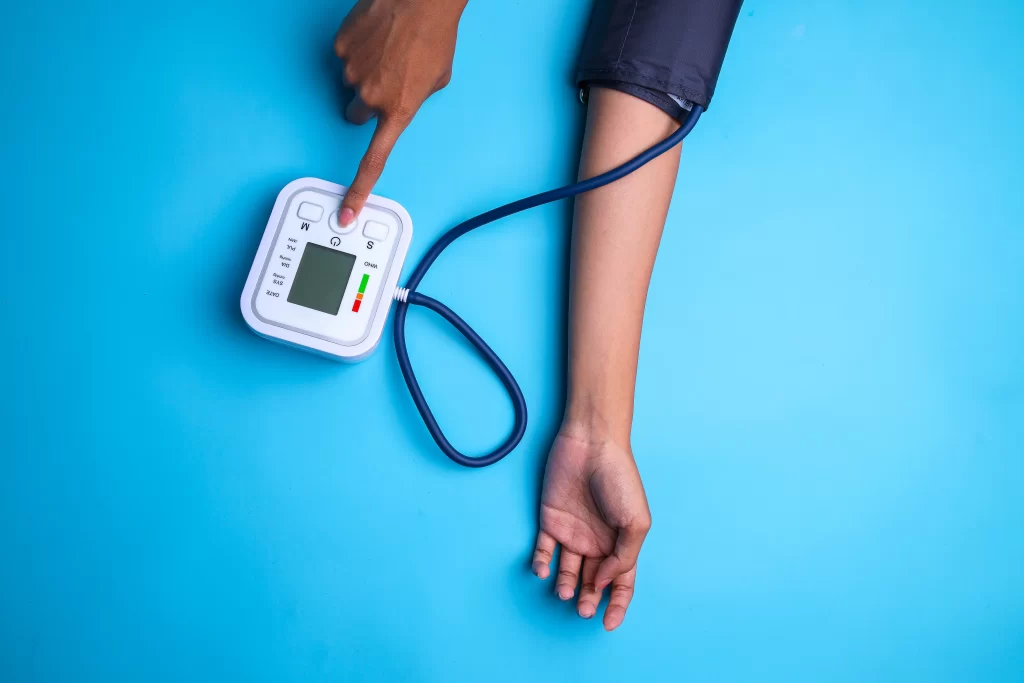
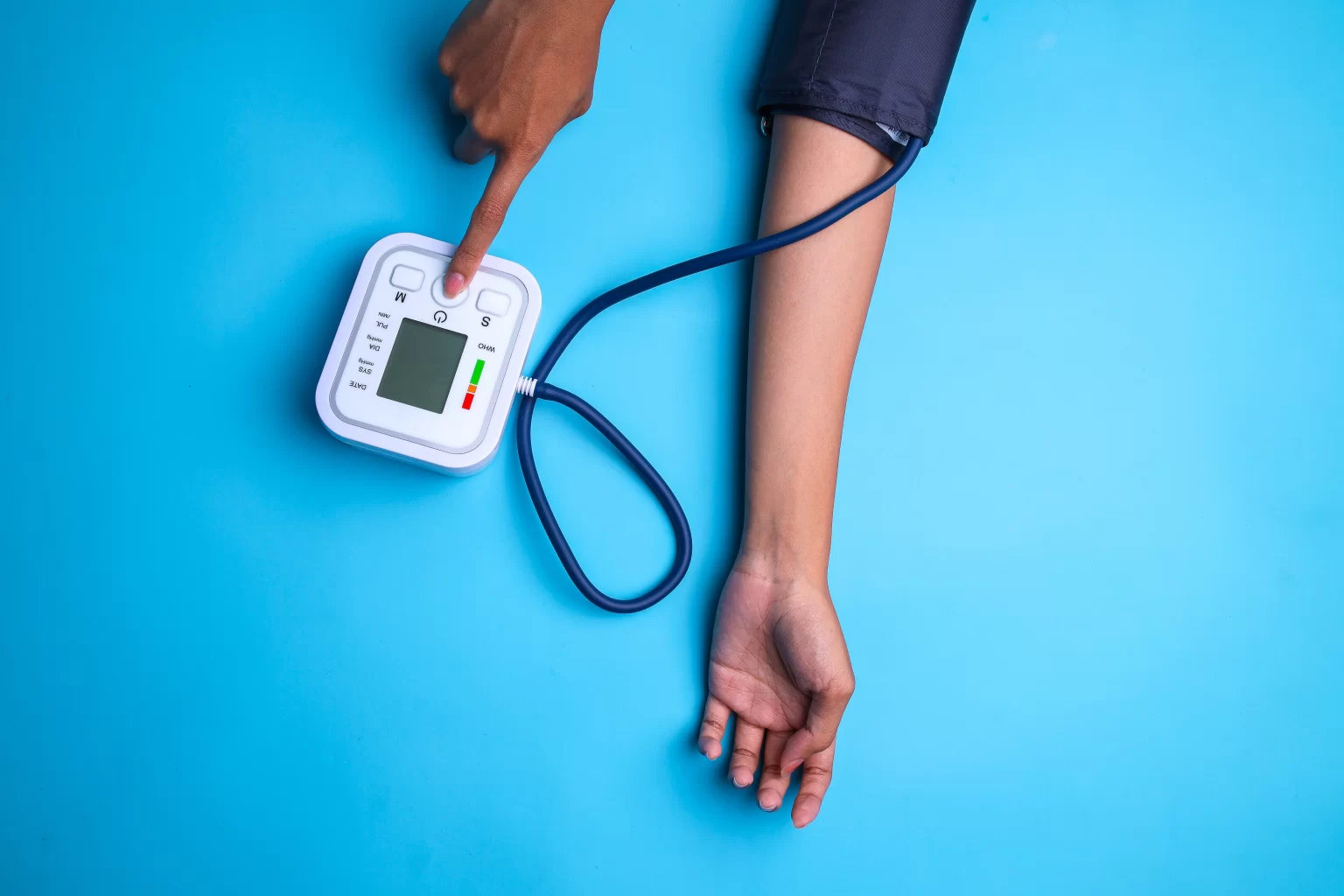
One of the biggest mistakes I see drivers make is waiting until exam day to check their blood pressure. If you only find out your numbers are high when you’re sitting in the exam room, your options are limited.
I strongly recommend checking your blood pressure at home for at least 1–2 weeks before your DOT physical. This does a few important things:
It helps you identify if your blood pressure is consistently elevated or just “white coat hypertension”
It allows time to make lifestyle adjustments
It reduces anxiety on exam day because there are fewer surprises
Using a reliable at-home blood pressure cuff (the kind that goes on your upper arm, not your wrist) is one of the smartest investments you can make as a commercial driver. I often tell patients to check their blood pressure twice daily—once in the morning and once in the evening—and keep a simple log. This also gives your healthcare provider better data if medication adjustments are needed.
Reduce Sodium (Especially Hidden Salt)
High sodium intake is one of the fastest ways to raise blood pressure. Many drivers in the Charlotte area rely on fast food, gas station meals, or quick takeout between routes—and those meals are loaded with salt.
In the days leading up to your DOT exam:
Avoid fast food and fried foods
Skip processed snacks like chips, jerky, and packaged meals
Choose grilled proteins, vegetables, and whole foods when possible
Even cutting sodium for just 5–7 days before your physical can lead to a measurable drop in blood pressure.
Hydration Makes a Bigger Difference Than You Think
Dehydration causes blood vessels to constrict, which raises blood pressure. Many drivers unintentionally dehydrate themselves by relying on coffee and energy drinks to stay alert.
Before your DOT physical:
Drink water consistently throughout the day
Limit energy drinks
Reduce caffeine the morning of your exam
I often see drivers lower their systolic blood pressure by 5–10 points simply by being properly hydrated.
Improve Sleep (Yes, Even Short-Term)
Poor sleep is a major contributor to elevated blood pressure—and it’s especially common among commercial drivers. Whether it’s long routes, early dispatch times, or irregular schedules, sleep deprivation adds stress to your cardiovascular system.
In the week before your DOT exam:
Aim for at least 7 hours of sleep when possible
Avoid alcohol at night
Stick to consistent sleep and wake times
Even short-term improvements in sleep can positively affect your blood pressure readings.
Light Exercise Helps—But Timing Matters
Regular physical activity lowers blood pressure over time, but aggressive workouts right before your exam can temporarily raise it.
I recommend:
Walking 20–30 minutes per day
Light stretching
Avoiding intense workouts the morning of your DOT physical
If you’re parked overnight or staying locally in Charlotte, a simple walk around the neighborhood or hotel area can be enough to help regulate your blood pressure.
Manage Exam-Day Anxiety
“White coat syndrome” is real. I see drivers with normal home readings spike in the exam room simply because they’re nervous about passing.
On the day of your DOT physical:
Arrive early so you’re not rushed
Sit quietly for a few minutes before your blood pressure is taken
Take slow, deep breaths
Avoid nicotine right before your appointment
These small steps can make a meaningful difference in your reading.
When Medication Is Part of the Plan
If you’re already on blood pressure medication, make sure you:
Take it exactly as prescribed
Do not skip doses
Bring a list of your medications to your DOT exam
If your at-home readings are consistently high, talk to your primary care provider before your DOT physical rather than hoping it works itself out.
Final Thoughts from a DOT Examiner in Charlotte
At Carolina MedWorks, my goal isn’t to fail drivers—it’s to help keep them healthy, safe, and working. Blood pressure issues are one of the most common reasons drivers run into trouble during a DOT physical, but they’re also one of the most manageable.
By monitoring your blood pressure at home, making short-term lifestyle adjustments, and showing up prepared, you significantly increase your chances of passing your DOT physical without delays.
If you’re scheduled for a DOT physical in Charlotte or the surrounding area and have concerns about your blood pressure, being proactive can make all the difference.