Can you pass a DOT physical while taking ADHD medication?
As a DOT medical examiner here in Charlotte, I see drivers from all walks of life—from long-haul truckers passing through the I-77/I-85 corridor to local delivery drivers navigating Uptown. One of the most common concerns I hear during an exam is: “Doc, I’m on a blood thinner. Is that going to disqualify me from getting my medical card?”
It is a fair question. The rules surrounding cardiovascular health and medication can feel like a maze. However, the short answer is: Taking a blood thinner does not automatically mean you lose your CDL. In this post, I want to break down how we handle blood thinners (anticoagulants) during a DOT physical in Charlotte, NC, and what you can do to make your appointment go as smoothly as possible.
Why Does the FMCSA Care About Blood Thinners?
The Federal Motor Carrier Safety Administration (FMCSA) isn’t concerned with the medication itself, but rather the condition requiring it and the risks the medication poses. Blood thinners are typically prescribed for conditions like atrial fibrillation (Afib), deep vein thrombosis (DVT), or pulmonary embolisms.
The primary safety concern is the risk of excessive bleeding if you are involved in an accident or the risk of a “cardiac event” while you are behind the wheel of a multi-ton vehicle.
Warfarin vs. Newer Medications (DOACs)
In the past, almost everyone was on Warfarin (Coumadin). If you are on Warfarin, the FMCSA requires that you provide documentation of your INR (International Normalized Ratio) levels. You’ll need to show that you’ve been “therapeutic” for at least the last month.
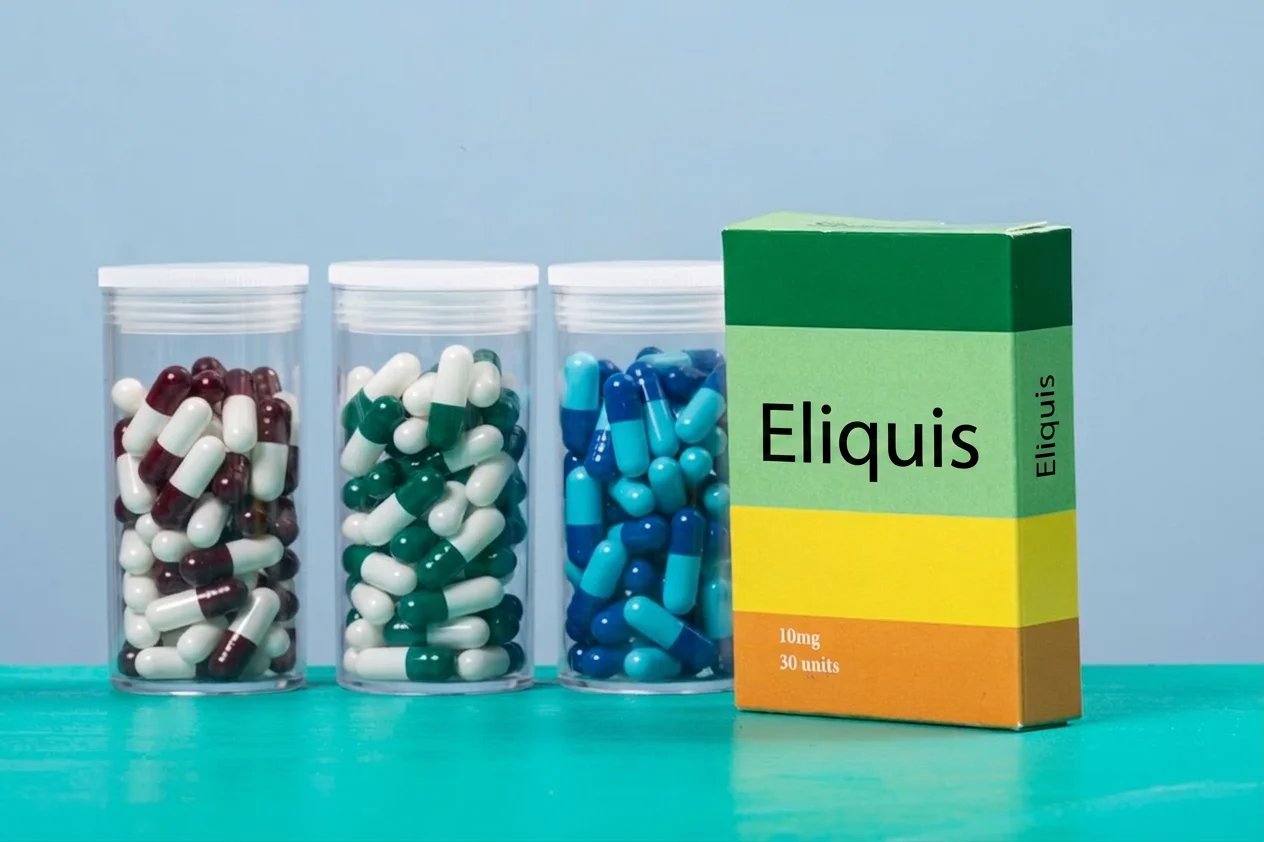
Today, many of my patients in Charlotte are moving toward newer medications like Eliquis, Xarelto, or Pradaxa. These are often easier to manage because they don’t require constant blood monitoring. However, regardless of the brand, the medical examiner still needs to ensure the underlying condition is stable.
How to Prepare for Your DOT Physical
If you are taking an anticoagulant, you shouldn’t walk into your exam empty-handed. To help me get you back on the road quickly, please bring a clearance letter from your treating physician (usually your cardiologist or primary care doctor).
This letter should state:
The condition being treated.
How long you have been on the medication.
That you are stable and tolerate the medication well without side effects like dizziness or excessive bleeding.
That, in their professional opinion, you are safe to operate a commercial motor vehicle.
Why Choose Carolina MedWorks?
At Carolina MedWorks, I understand that your CDL is your livelihood. My goal isn’t to find reasons to disqualify you; it’s to ensure you are safe to drive so you can return home to your family after every shift. We provide efficient, FMCSA-compliant DOT physicals right here in Charlotte, NC, with a focus on keeping our local drivers moving.
If you’re worried about your blood thinners or any other medical condition, feel free to reach out. Let’s get you certified and back on the road.
FAQs
-
Can I get a 2-year medical card if I’m on blood thinners?
Typically, no. Most drivers on anticoagulants are limited to a 1-year certification. This allows us to check in annually to ensure your condition remains stable.
-
Do I need a clearance letter from my doctor?
Yes, please come with a letter from your doctor stating when the condition began, the medication prescribed (dosage and frequency) and that your condition is stable enough to operate a commercial vehicle.
-
Do I need to stop taking my medication before the physical?
No! Never stop taking prescribed heart or blood medication without consulting your doctor. Doing so could lead to a stroke or blood clot, which are automatic disqualifiers.
-
What if I take aspirin daily?
Aspirin is an antiplatelet, not an anticoagulant. While it’s important to list on your health history, it generally does not require the same level of documentation as medications like Warfarin or Eliquis.